
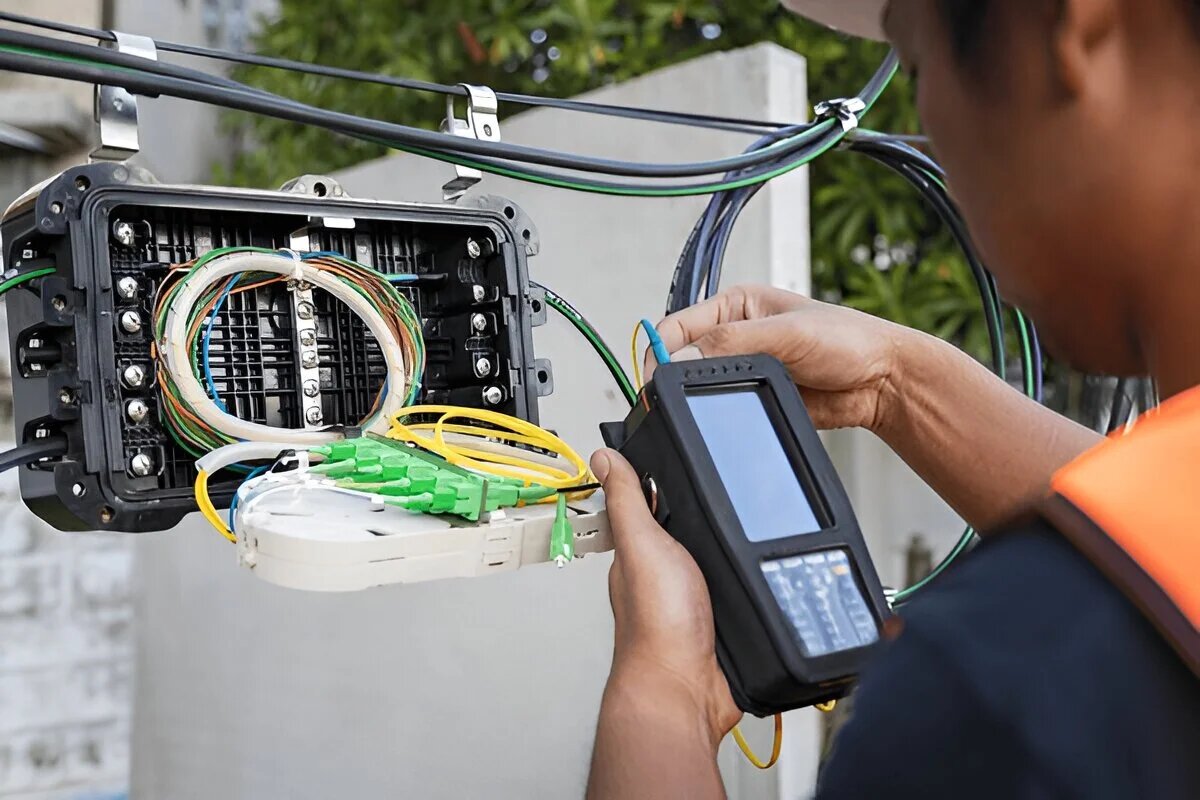
Most outdoor fiber networks are designed to survive twenty years.
Many never reach that goal.
Interestingly, the fiber itself is rarely the first component to fail.
Instead, network reliability is gradually reduced by water ingress, ultraviolet exposure, mechanical stress, poor routing decisions, inaccessible splice locations, overloaded distribution points, inconsistent installation practices, and years of accumulated maintenance challenges.
The physical products installed in the field may all comply with international standards. Yet the network still becomes increasingly expensive to operate.
Why?
Because reliable outdoor infrastructure is not created by selecting stronger products.
It is created by eliminating predictable risks before construction begins.
This distinction separates projects that require frequent field intervention from those that continue operating reliably with minimal maintenance for decades.
Many buyers compare cable specifications, IP ratings, tensile strength, or closure capacity.
Experienced network planners ask a different question.
What conditions will this network experience over the next twenty years, and how can those risks be engineered out before the first cable is installed?
That change in perspective is the foundation of reliable outdoor fiber infrastructure.
This guide explores outdoor fiber network design through the lens of risk engineering, helping operators, contractors, utilities, municipalities, and system integrators make infrastructure decisions that reduce failures throughout the network lifecycle.
The Biggest Misconception About Outdoor Fiber Networks
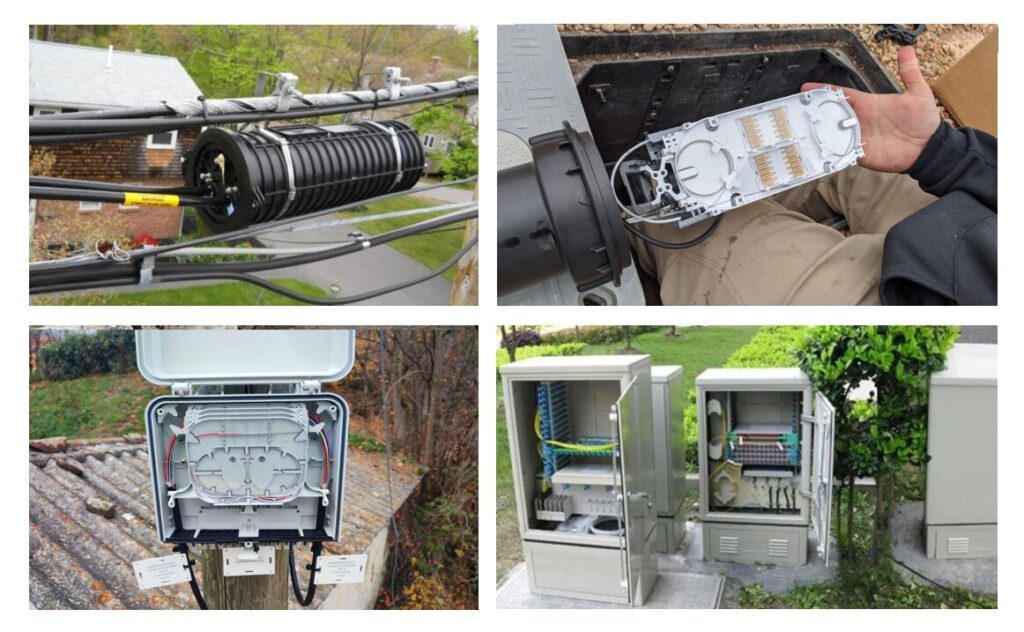
When an outdoor fiber network experiences repeated failures, the immediate reaction is often to question the products.
Perhaps the cable jacket degraded.
Perhaps the closure leaked.
Perhaps the connector failed.
While product quality certainly matters, field investigations often reveal a different reality.
Many failures originate much earlier.
A closure installed below the local flood level.
A cabinet positioned where maintenance vehicles cannot easily reach.
A cable route exposed to repeated construction work.
An aerial span designed without considering long-term wind fatigue.
A distribution point built with no spare capacity for future expansion.
None of these problems are caused by defective products.
They are consequences of infrastructure decisions.
Products rarely create risk.
More often, they either reduce—or amplify—the risks already present in the network design.
Understanding Outdoor Infrastructure as a Risk Management System
Unlike indoor environments, outdoor networks operate inside constantly changing conditions.
Weather changes.
Ground conditions change.
Traffic patterns change.
Cities expand.
Construction activities increase.
Utility corridors become more congested.
Over time, every external factor introduces uncertainty.
A reliable outdoor network therefore behaves less like a collection of products and more like a risk management system.
Each passive component contributes to reducing one or more environmental risks.
For example:
- The cable protects optical fibers from mechanical stress.
- The splice closure protects fusion splices from moisture and contamination.
- The distribution box protects connection points while simplifying field access.
- Conduits and ducts protect cables from excavation and physical damage.
- Proper routing reduces future maintenance exposure.
Seen individually, each product performs a specific function.
Viewed together, they form a coordinated protection system.
Successful outdoor network design depends on how well those protections work together.
The Outdoor Risk Pyramid
Not all risks have the same long-term impact.
Some occur frequently but are inexpensive to repair.
Others happen rarely but can interrupt service across an entire region.
Experienced network designers therefore prioritize risks according to their long-term consequences.
The following model provides a practical way to evaluate outdoor infrastructure decisions.
Human Operations
(Documentation, Maintenance, Errors)
Maintenance Accessibility
(Cabinet Location, Slack Storage, Field Access)
Environmental Exposure
(Water, UV, Temperature, Corrosion, Dust)
Mechanical Protection
(Wind, Vibration, Rodents, Crushing, Excavation)
Network Planning
(Route Selection, Architecture, Capacity, Redundancy)
The lower levels influence every layer above them.
For example, installing an IP68 splice closure cannot compensate for poor route planning.
Likewise, selecting armored cable will not solve maintenance problems caused by inaccessible cabinet locations.
The strongest networks reduce risk from the bottom upward rather than attempting to solve every problem with stronger products.
This principle explains why two networks using similar materials can experience completely different maintenance costs over their operational lifetimes.
The Eight Failure Mechanisms Every Outdoor Network Should Be Designed Around
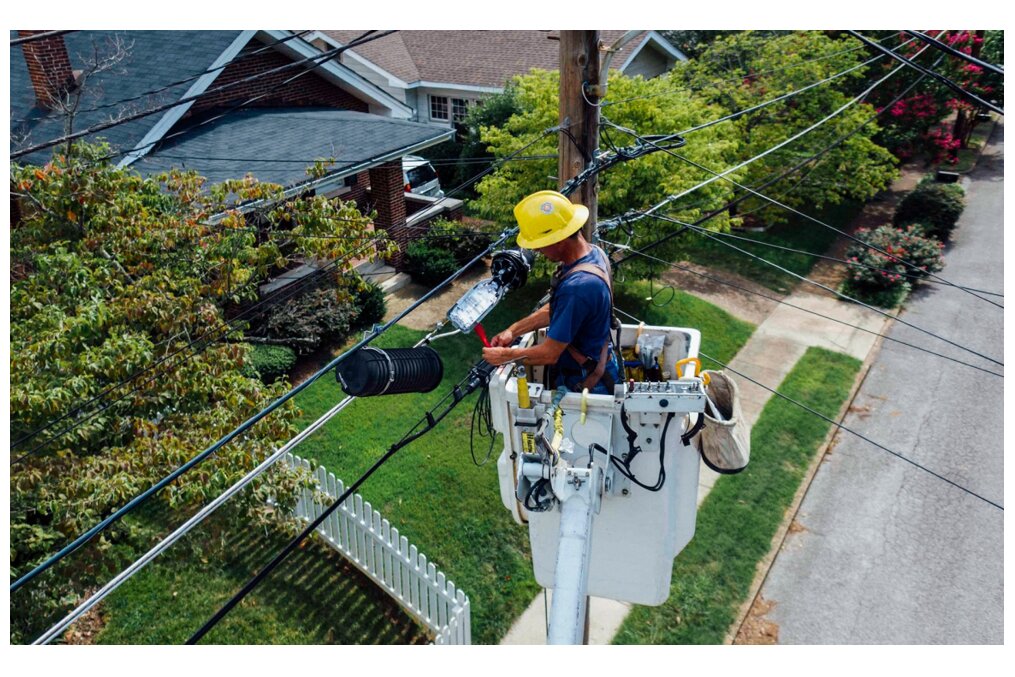
Most outdoor network failures can be traced back to a relatively small number of recurring mechanisms.
Understanding these mechanisms allows buyers to evaluate infrastructure more intelligently than simply comparing technical specifications.
1. Water Ingress
Water is often considered the primary enemy of outdoor fiber infrastructure.
In reality, water itself is rarely the problem.
The problem is uncontrolled pathways that allow moisture to reach locations where it should never accumulate.
Examples include:
- Poorly sealed splice closures
- Damaged cable jackets
- Improper gland installation
- Flood-prone cabinet locations
- Inadequate drainage around underground chambers
Rather than asking whether a product is waterproof, designers should ask where water is most likely to accumulate over the next twenty years.
Good drainage frequently prevents more failures than higher IP ratings alone.
2. Ultraviolet Degradation
Continuous exposure to sunlight gradually weakens many polymer materials.
Cable jackets, plastic housings, identification labels, and protective accessories all experience long-term UV aging.
Networks installed in deserts, coastal regions, and high-altitude environments face particularly aggressive exposure.
Choosing materials designed for outdoor UV resistance is only part of the solution.
Minimizing unnecessary exposure through thoughtful routing and installation practices is equally important.
3. Thermal Expansion and Contraction
Outdoor temperatures rarely remain constant.
Daily and seasonal temperature cycles cause repeated expansion and contraction of cables, hardware, and supporting structures.
Over many years, these small movements can lead to:
- Increased mechanical stress
- Connector strain
- Excessive cable tension
- Mounting fatigue
Designing sufficient slack and respecting minimum bend radius requirements helps absorb these movements naturally rather than allowing stress to accumulate within the network.
4. Mechanical Fatigue from Wind and Vibration
Mechanical loading is often underestimated because it develops gradually.
An aerial cable may survive a storm without visible damage, yet years of continuous movement can slowly weaken support hardware, attachment points, and cable structures.
Unlike a single overload event, fatigue is cumulative.
It is measured in years rather than hours.
Typical sources include:
- Wind-induced oscillation
- Pole movement
- Bridge vibration
- Traffic vibration
- Repeated cable sway
- Ice loading followed by thaw cycles
When evaluating aerial deployments, experienced engineers look beyond maximum tensile strength.
They also consider how the network will behave after millions of small movement cycles.
A cable that survives one storm is not necessarily a cable that performs reliably for twenty years.
5.Mechanical Damage from Human Activity
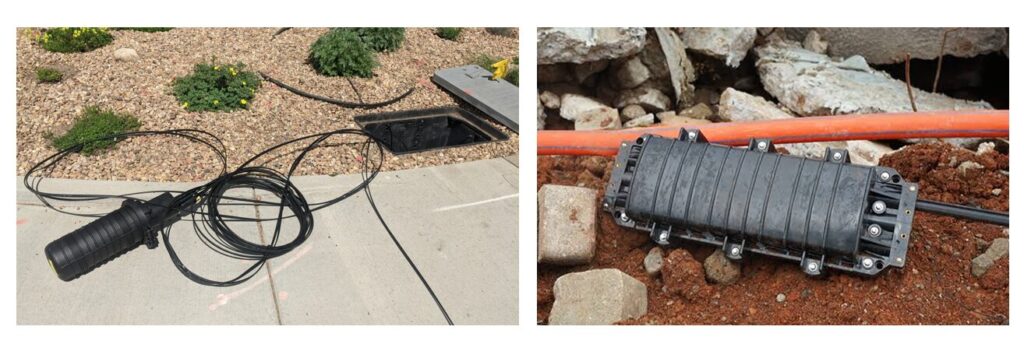
Ironically, many outdoor fiber failures are caused not by nature but by people.
Construction projects, road expansion, utility excavation, landscaping, agricultural machinery, and accidental impacts account for a significant percentage of field repairs.
Unlike environmental exposure, these events are difficult to predict individually.
However, they can be anticipated statistically.
Risk can be reduced through decisions such as:
- Selecting protected routing corridors
- Installing warning markers
- Using ducts in high-risk areas
- Choosing armored cables where appropriate
- Maintaining accurate route documentation
The objective is not to eliminate every accident.
It is to reduce the likelihood that routine human activity becomes a network outage.
6. Corrosion and Environmental Contamination
Outdoor infrastructure frequently operates in environments that accelerate material degradation.
Examples include:
- Coastal salt spray
- Industrial chemicals
- Mining operations
- Fertilizer exposure
- High humidity
- Airborne pollutants
These environments affect more than metal hardware.
They also influence seals, coatings, mounting systems, and long-term enclosure integrity.
When selecting passive infrastructure, environmental compatibility should be evaluated as carefully as optical specifications.
A closure suitable for a suburban FTTH deployment may not be appropriate for a coastal utility network.
The operating environment—not the product category—should drive the decision.
7. Biological Threats
Outdoor networks share space with wildlife.
Rodents, insects, birds, and vegetation all interact with fiber infrastructure in different ways.
Examples include:
- Rodents damaging cable jackets
- Birds disturbing aerial installations
- Insects entering poorly sealed enclosures
- Tree growth creating mechanical pressure
- Root systems affecting underground pathways
These risks vary significantly by geography.
Rather than applying the same design everywhere, successful projects adapt infrastructure to local environmental conditions.
Risk engineering always begins with understanding the operating environment.
8. Maintenance Complexity
Perhaps the most overlooked failure mechanism is not physical damage at all.
It is maintenance complexity.
Every unnecessary site visit increases cost.
Every difficult repair increases service restoration time.
Every undocumented modification increases future uncertainty.
Poor maintenance design creates failures indirectly by making routine work slower, riskier, and more expensive.
Questions worth asking include:
- Can technicians safely access the location?
- Is sufficient cable slack available?
- Can the correct fiber be identified immediately?
- Is documentation complete?
- Can components be replaced without disturbing adjacent circuits?
Infrastructure that simplifies maintenance often proves more valuable than infrastructure offering marginally stronger specifications.
Mapping Risks to Infrastructure Decisions
Understanding risks is only useful if those risks influence design decisions.
Experienced planners therefore evaluate every major passive component according to the primary risks it helps control.
| Primary Risk | Design Decision | Typical Passive Components |
| Water ingress | Protect moisture-sensitive connection points | Splice closures, sealed distribution boxes, waterproof connectors |
| UV exposure | Use outdoor-rated materials and minimize direct exposure | Outdoor fiber cables, UV-resistant enclosures |
| Mechanical impact | Increase physical protection where damage is likely | Armored cables, ducts, protective conduits |
| Wind and vibration | Reduce long-term mechanical fatigue | ADSS cables, messenger-supported cables, suitable mounting hardware |
| Excavation | Improve route protection and visibility | Underground ducts, warning tape, route markers |
| Corrosion | Match materials to environmental conditions | Corrosion-resistant hardware, stainless steel accessories |
| Biological damage | Reduce exposure to local wildlife | Armored constructions, protected routing, sealed enclosures |
| Maintenance complexity | Improve accessibility and documentation | Modular closures, labeled distribution boxes, organized fiber management |
Notice that no single product solves every problem.
Reliable outdoor infrastructure is created by combining multiple protective decisions into one coordinated system.
This systems approach consistently outperforms selecting individual “high-performance” products without considering the surrounding environment.
Designing Networks That Become Easier to Maintain Over Time
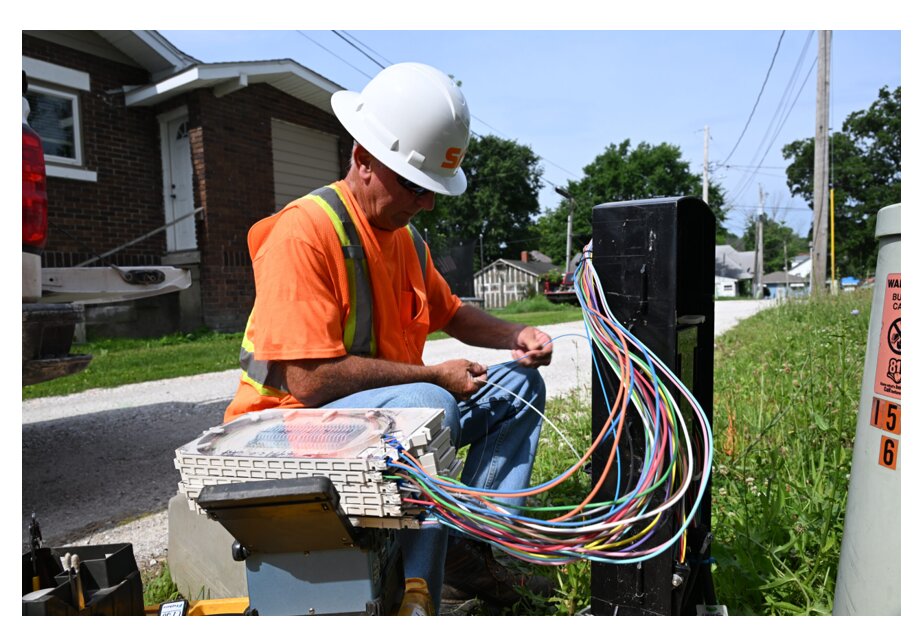
Maintenance is often treated as an operational issue.
In reality, maintenance begins during network design.
Every decision made before construction influences future serviceability.
Consider two outdoor distribution points.
Network A
The distribution box is installed wherever installation is easiest.
Documentation is minimal.
Fiber routing is inconsistent.
Slack storage is improvised.
Five years later, technicians require significantly more time to identify fibers, perform repairs, and add new subscribers.
Network B
The distribution point is selected based on long-term accessibility.
Fiber routing follows consistent standards.
Labels remain readable.
Slack is organized.
Documentation is updated after every modification.
Years later, maintenance remains predictable despite continued network expansion.
The difference is not product quality.
It is design philosophy.
Infrastructure should not merely survive environmental exposure.
It should become easier—not harder—to operate as the network matures.
Designing for Twenty Years Instead of Two
Many procurement projects begin with a simple objective:
“Complete this deployment within budget.”
Experienced infrastructure owners ask a more valuable question:
“What will this network cost to operate over the next twenty years?”
That shift changes nearly every design decision.
For example:
Instead of minimizing spare fiber capacity, planners reserve room for future growth.
Instead of filling every cabinet immediately, they leave expansion space.
Instead of choosing routes based only on installation convenience, they evaluate long-term maintenance access.
Instead of comparing only purchase prices, they estimate lifecycle cost.
The most economical outdoor network is rarely the one with the lowest procurement cost.
It is usually the one requiring the fewest unexpected field interventions over its operational life.
Procurement Decisions That Reduce Lifetime Risk
Outdoor fiber infrastructure is usually expected to remain in service for twenty years or more.
During that period, switches may be upgraded, transmission technologies may evolve, and subscriber demand may increase dramatically.
The passive infrastructure, however, often remains largely unchanged.
This makes procurement decisions fundamentally different from purchasing active equipment.
The goal is not simply to buy products that meet today’s specifications.
The goal is to invest in infrastructure that continues reducing operational risk throughout its entire service life.
Experienced buyers therefore evaluate suppliers using a broader set of criteria.
Product Consistency
Outdoor projects often require thousands of identical components delivered over multiple construction phases.
Variations between production batches can introduce unexpected installation challenges and complicate future maintenance.
Consistent manufacturing quality helps preserve network standardization over many years.
Environmental Validation
Laboratory specifications provide useful reference points, but outdoor products should also demonstrate suitability for the environments in which they will operate.
Buyers should evaluate whether products have been designed for:
- Long-term UV exposure
- Moisture resistance
- Temperature variation
- Mechanical loading
- Corrosive environments
- Outdoor aging
Environmental suitability is often more valuable than selecting the product with the highest individual specification.
Standardization Across the Network
Outdoor networks become easier to operate when similar locations use similar infrastructure.
Standardizing closures, distribution boxes, cable constructions, connector interfaces, and installation methods reduces:
- Spare inventory
- Technician training requirements
- Troubleshooting complexity
- Expansion planning effort
Consistency is an operational advantage that compounds over time.
Documentation and Traceability
Reliable documentation reduces uncertainty.
Useful supplier documentation typically includes:
- Product specifications
- Installation instructions
- Mechanical drawings
- Test reports
- Traceability information
Well-documented infrastructure is easier to expand, audit, and maintain throughout its lifecycle.
Long-Term Supply Capability
Many outdoor deployments are completed in multiple phases over several years.
Maintaining consistent component availability helps preserve architectural consistency across the entire network.
Changing product designs midway through a long-term project often creates unnecessary operational complexity.
Selecting suppliers capable of supporting future expansion is therefore an important part of infrastructure planning.
Common Mistakes That Shorten Outdoor Network Lifespan
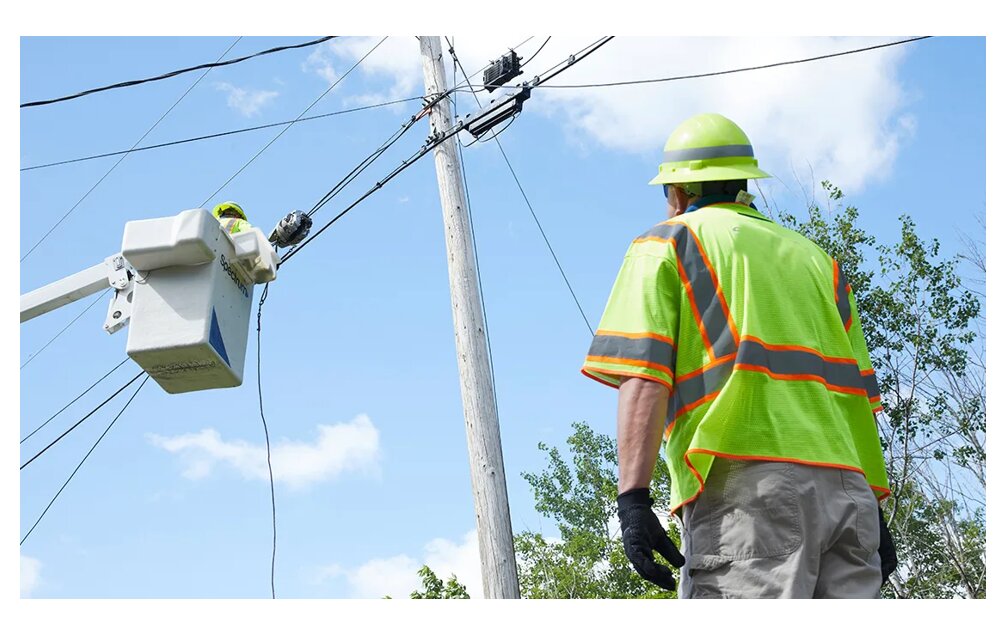
The following mistakes appear repeatedly across outdoor fiber projects.
Avoiding them often produces greater reliability improvements than selecting more expensive products.
Designing for Installation Instead of Maintenance
An installation that is convenient today may become difficult to service for decades.
Maintenance accessibility should be considered before construction begins.
Assuming Higher IP Ratings Solve Every Problem
Water protection is important, but it cannot compensate for poor route selection, inadequate drainage, or inaccessible infrastructure.
Network reliability depends on the complete design—not on one specification.
Treating Every Environment the Same
A product suitable for an urban FTTH deployment may not perform equally well in coastal, industrial, desert, mountainous, or mining environments.
Environmental conditions should drive infrastructure selection.
Eliminating Spare Capacity
Removing spare fibers, cabinet space, or pathway capacity may reduce initial costs but frequently increases future expansion expenses.
Infrastructure should support growth rather than constrain it.
Underestimating Documentation
Poor documentation transforms routine maintenance into investigative work.
As outdoor networks expand over many years, accurate records become one of the most valuable operational assets.
Evaluating Products Instead of Systems
Fiber cables, splice closures, distribution boxes, ducts, connectors, and routing strategies should never be evaluated independently.
Reliable outdoor networks are engineered as complete systems.
Optimizing individual products without considering the surrounding infrastructure rarely produces the best long-term outcome.
An Outdoor Infrastructure Decision Framework
Before approving an outdoor fiber network design, experienced planners often evaluate a series of practical questions.
| Question | Why It Matters |
| Has every major environmental risk been identified? | Prevents predictable failures before deployment |
| Does the cable construction match the installation environment? | Improves long-term durability |
| Can maintenance crews safely and efficiently access critical locations? | Reduces restoration time and operating costs |
| Is sufficient capacity reserved for future expansion? | Avoids unnecessary reconstruction |
| Are passive components standardized across the network? | Simplifies operations and inventory management |
| Can products be consistently supplied throughout the project lifecycle? | Preserves architectural consistency |
| Is complete documentation available for future maintenance? | Supports efficient troubleshooting and upgrades |
Notice that none of these questions focus solely on product specifications.
They focus on how well the entire infrastructure will perform throughout its operational life.
That is the defining difference between purchasing outdoor products and engineering outdoor networks.
Conclusion
Reliable outdoor fiber networks are not created by selecting the strongest cable or the highest-rated enclosure.
They are created by understanding how infrastructure fails—and systematically reducing those risks before construction begins.
Water, ultraviolet exposure, temperature variation, mechanical loading, corrosion, biological activity, accidental excavation, and maintenance complexity all influence long-term network performance.
Each challenge requires thoughtful engineering decisions rather than isolated product upgrades.
The most successful outdoor deployments share several characteristics:
- They are designed around environmental conditions rather than generic specifications.
- They emphasize maintenance efficiency as much as initial installation.
- They reserve capacity for future expansion.
- They standardize passive infrastructure across the network.
- They evaluate lifecycle cost instead of procurement price alone.
Technology will continue to evolve.
Transmission speeds will increase.
Active equipment will be replaced many times.
A well-designed outdoor passive infrastructure, however, should continue supporting those changes for decades.
Long-term reliability begins long before the first cable is installed.
It begins with understanding risk.
Frequently Asked Questions
What causes most outdoor fiber network failures?
Most failures are not caused by the optical fiber itself. They typically result from environmental exposure, mechanical damage, poor route planning, inadequate maintenance accessibility, or infrastructure decisions made during the design phase.
Is armored cable always the best choice for outdoor deployments?
No. Armored cable provides additional mechanical protection in certain environments, but it is not necessary for every installation. Cable selection should be based on actual environmental risks, installation methods, and maintenance requirements.
How important are splice closures in outdoor networks?
Splice closures protect fusion splices from moisture, contamination, and mechanical stress. Their effectiveness depends not only on product quality but also on proper installation, sealing, and location selection.
Should outdoor fiber networks always use underground ducts?
Not necessarily. Aerial, duct, and direct-buried deployments each have advantages depending on geography, construction costs, maintenance strategy, and environmental conditions. The optimal approach depends on the project rather than a single preferred installation method.
Why is maintenance accessibility considered during network design?
Infrastructure that is difficult to access often increases repair time, operational cost, and service disruption. Designing for maintenance from the beginning reduces lifetime operating expenses.
How can buyers reduce long-term outdoor network costs?
Rather than focusing only on purchase price, buyers should evaluate lifecycle risk, environmental suitability, product consistency, future expansion capability, documentation quality, and supplier reliability.
Related Decision Guides
To build a complete understanding of outdoor fiber infrastructure, continue with these guides:
Outdoor Infrastructure
- How to Choose Fiber Products for Harsh Outdoor Environments
- How to Protect Outdoor Fiber Networks from Water, UV and Mechanical Damage
- How to Select the Right Passive Components for Outdoor OSP Projects
- Common Outdoor Fiber Deployment Mistakes
Product Selection
- How to Choose the Right Fiber Optic Cable
- How to Choose the Right Fiber Splice Closure
- How to Choose the Right Fiber Distribution Box
Network Planning
- How to Design an FTTH Network: A Complete Buyer’s Decision Guide
- How to Choose the Right Passive Infrastructure for GPON and XGS-PON Networks
Keyword Summary
Related Keywords: fiber splice closure, fiber distribution box, armored fiber cable, ADSS cable, underground fiber network, aerial fiber network, outdoor passive infrastructure, fiber route planning, lifecycle cost, outdoor network reliability
Primary Keywords: outdoor fiber network design, outdoor fiber infrastructure, OSP fiber network, outdoor fiber cable, outdoor fiber deployment



 Get Your Best Price Now!